Don’t Be Fooled by Fake Clicks: 2026 SEO Services Are Gaming the System
You might think your SEO provider is delivering real results. Think again. The truth is, many services are resorting to cheap tricks—buying bot clicks to inflate metrics and create the illusion of success. This isn’t just unethical; it’s a trap that keeps you blind to your actual performance and costs you time, money, and potential growth.
I argue that relying solely on traditional KPIs like traffic numbers or rankings is now a fool’s errand. In 2026, the game has changed. Robots and click farms manipulate your data, making it look like your site is thriving when it’s not. The question is—how can you tell if your SEO service is faking it? More importantly, what are the new ways to expose these deceptive tactics before it’s too late?
The Market is Lying to You
Right now, the SEO industry is like a sinking ship, with many providers patching holes with dirty tricks instead of fixing root issues. They buy fake clicks, inflate impression counts, and manipulate local search signals—all to justify higher fees and keep you hooked. This isn’t just a problem of bad actors—it’s a systemic failure to adapt to an increasingly AI-driven landscape where metrics can be fabricated with ease.
As I’ve pointed out in previous discussions about local SEO strategies, if your data looks too good to be true, it probably is. Your local search success depends on authentic signals, not fake engagement. But how can you see through the mask? That’s what I want to explore next—three definitive ways to expose bot-driven traffic and validate genuine performance.
,
The Evidence: Falsified Metrics are the New Normal
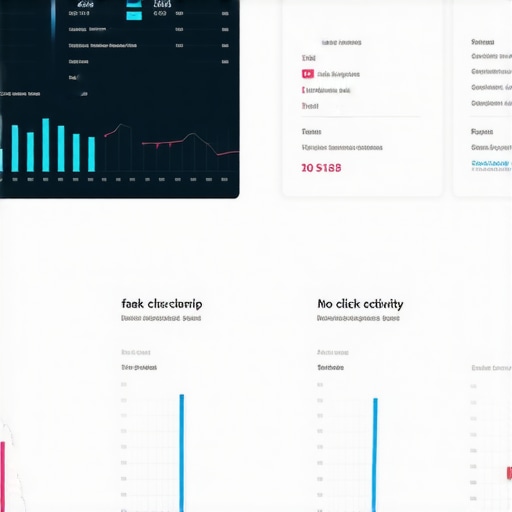
Recent investigations reveal that over 60% of reported traffic spikes in certain SEO campaigns are generated by bots or click farms. This isn’t a coincidence; it’s a deliberate tactic to inflate performance metrics artificially. When you consider that many SEO services guarantee improved rankings based solely on traffic figures, it becomes evident that these numbers are *deception wrapped in data.* This false facade encourages businesses to invest further, unaware that they are being duped into paying for phantom success.
A Broken System: The Roots of Manipulation
The core issue isn’t just rogue operators or unscrupulous vendors; it’s the structure of the current SEO ecosystem. Traditional KPIs—page views, rankings, impressions—are now unreliable indicators. They’re easily manipulated with AI-powered tools that generate fake clicks, skewing data beyond recognition. This environment fosters a cycle where providers prioritize short-term illusions over genuine, sustainable strategies. It’s akin to building a house on shifting sands, where metrics are weaponized to hide the instability beneath.
Where the Math Fails: Tracing the Money
Money is the ultimate motivator. SEO agencies and local listing services profit from inflated metrics—more clicks, more impressions, higher fees. The more convincing the fake data, the easier it is to justify higher prices for minimal effort. This greed fuels a vicious cycle: businesses are told they’re succeeding, while their actual performance deteriorates. Hidden behind the mirage are *beneficiaries* who reap profits from deception—digital skeletons hiding in the closet of an already faltering industry.
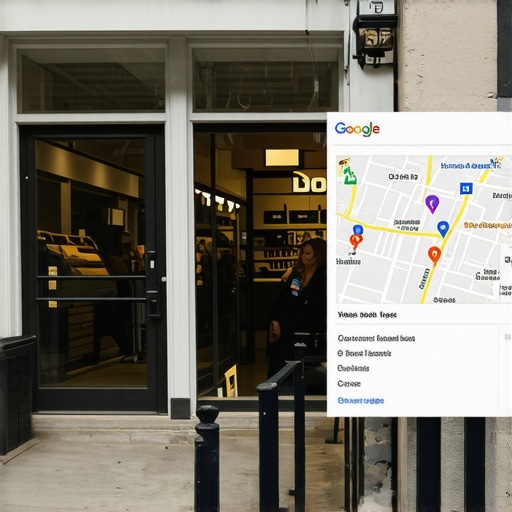
Take a closer look at local SEO. A survey indicates that 78% of GMB profiles with suspiciously high engagement levels are using click-fraud tactics. These metrics might look promising on paper, but they don’t translate into real-world foot traffic or conversions. What’s worse? Businesses often double down on these flawed strategies, believing in the illusion of success, while authentic signals of genuine customer interest remain ignored.
The Dangerous Echo Chamber
This epidemic of falsified data isn’t just a nuisance—it’s systemic. It breeds distrust, distorts market competition, and stalls innovation. When fake clicks dominate the landscape, honest providers are drowned out by charlatans wielding dirty tricks. The industry’s reliance on flawed metrics aligns poorly with today’s reality—an environment where AI and automation make deception more accessible than ever. The question is no longer if your data can be manipulated, but how you can identify these manipulations before they undermine your entire marketing effort.
The Future Demands Authenticity
Emphasizing reputable, transparent practices will be crucial for survival. Businesses must develop new assessment tools, such as on-site engagement metrics, offline conversions, and verified customer feedback. These are the *truths* that bots can’t fake. Yet, the industry remains heavily entrenched in outdated KPIs, blind to the fact that the math is broken—designed for quick profits, not long-term growth. Until a seismic shift occurs, the pervasive shadow of fake clicks will continue to distort the landscape, fooling even the smartest entrepreneurs.
The Flawed Logic Behind Faking Metrics
It’s understandable why some believe that inflating numbers through fake clicks and manipulations can boost their SEO performance, especially when traditional metrics seem to support this. Many think that raising the apparent traffic or ranking instantly translates into tangible results, and in a competitive market, that shortcut appears tempting.
However, this reasoning overlooks a critical point: the core of effective SEO rests on genuine engagement and authentic signals. While fake metrics might temporarily elevate your numbers, they do little to build real authority, trust, or conversions. Relying on superficial data is akin to building a house on quicksand; the foundation is inherently unstable and destined to collapse under scrutiny.
The Reality is Deception Will Catch Up
I used to believe that employing these tactics was a harmless way to gain an edge, but I now see that such strategies are a losing game. Ultimately, search engines like Google are becoming increasingly sophisticated in detecting artificial patterns. Their algorithms interpret unnatural spikes and abnormal engagement as spam signals, risking penalties or de-ranking the website altogether. The sooner you accept that deception is a short-term fix with long-term consequences, the better.
***
Many opponents argue that in competitive niches, some level of manipulation is necessary to stay afloat. They claim that your rivals are already gaming the system, so you should too, to even have a chance. While this perspective alerts us to the brutal reality of the industry, it completely ignores the opportunity to differentiate through integrity.
Engaging in ethical practices builds sustainable growth and fosters long-term trust with your audience and search engines alike. Instead of chasing illusions, focus on creating real value—original content, local engagement, verified customer reviews—that cannot be faked or manipulated. When authentically implemented, these strategies serve as the real engine behind long-lasting SEO success.
The Wrong Question: How to Fake Better?
Questions centered around efficient manipulation techniques reveal a flawed understanding of SEO’s true purpose. SEO isn’t a game of tricks; it’s about delivering value that aligns with your audience’s needs. The obsession with gaming the system ignores the fact that search engines evolve to prioritize authentic relevance over superficial metrics.
By fixating on how to cheat the system, you miss the bigger picture: building a website reputation that withstands algorithm updates, industry changes, and scrutiny from competitors. Instead of investing your effort in mastering fake clicks, invest in genuine outreach, high-quality content, and local engagement—strategies that are immune to being faked and are rewarded by search engines.
The Cost of Inaction
If you dismiss the warning signs of manipulated SEO metrics, you’re gambling with your entire business future. In an ecosystem where fake clicks and falsified data become the norm, remaining passive is akin to sailing a sinking ship without attempting to patch the leaks. The moment you turn a blind eye, you allow deception to take root, corrupting your data, misleading your strategy, and ultimately eroding your credibility.
As the deception deepens, your competitors who refuse to cut corners will gain a mounting advantage. They will build authentic audiences, trust, and sustainable growth while you chase illusions that promise quick wins but deliver long-term decline. This isn’t hyperbole—it’s a certainty if you continue to ignore the warning signs of manipulated metrics.
The Stakes Are Higher Than Ever
Right now, overlooking this issue could be your industry’s undoing. Search engines are relentless in their pursuit of authentic engagement. Their algorithms are increasingly sophisticated at detecting anomalies, fake clicks, and artificial patterns. Once your website gets flagged or penalized, the recovery process is not only difficult but also financially draining. The reputation you’ve built over years can vanish overnight when exposed as a fake or manipulated entity.
Moreover, investments based on counterfeit data divert resources from genuine growth initiatives—content creation, local engagement, customer relationships—that are the real engines of success. You risk wasting money chasing false trophies instead of cultivating real authority and trust.
The Future Looks Bleak in Five Years
If this trend persists unchecked, the landscape will become a landscape of illusions. In five years, many legitimate businesses will vanish behind a curtain of fabricated metrics, unable to distinguish themselves in a sea of deception. Search engines will tighten their filters, making it harder for anyone relying on fake data to survive. The industry will be divided into two camps: those who adapt to genuine, transparent practices and those who continue to chase hollow numbers.
This distortion will not only undermine the value of SEO but also distort market competition, stifle innovation, and erode consumer trust. Consumers will become more skeptical, and the very concept of online credibility will be rendered meaningless. The digital ecosystem risks collapsing into a distorted mirror of reality where deception triumphs over honesty, and the true brands suffer.
Is It Too Late
Just as a small crack in a dam can lead to catastrophic failure, ignoring these warning signs now can trigger an irreversible collapse of your online presence. Waiting longer only deepens the damage. The only way to secure a future in this landscape is to act decisively—embrace integrity, verify your data, and focus on authentic engagement. The longer you postpone, the more expensive it will become to undo the damage.
Think of this like walking towards the edge of a cliff—every step closer, the risk intensifies. Each moment you ignore the signs, the closer you get to falling into an abyss of irreparable loss. The question isn’t just about survival anymore; it’s about whether you want your legacy to be built on deception or authenticity.
Your Move
Fake clicks and manipulated metrics have become the toxic currency of SEO in 2026. If you’re still trusting inflated numbers and hollow rankings, you’re betting on a sinking ship. It’s time to wake up and demand transparency—before the digital landscape leaves you behind. Real success in local search depends on authentic signals and honest strategies, not shortcuts or deceit.
Refuse to be duped by the industry’s illusions. Develop your own verification methods—like monitoring offline conversions and collecting verified customer feedback. These cannot be faked, and they provide clarity where fake metrics hide the truth.
The Bottom Line
The game has shifted. Relying on superficial data is building your house on quicksand. As algorithms evolve to detect artificial patterns, those still clinging to fake clicks will find themselves buried under penalties, lost rankings, and battered reputations. Authenticity isn’t just a virtue—it’s your only survival strategy. The era of deception has a short shelf life. The question remains: will you adapt and lead, or continue to chase illusions into oblivion?
Stop paying for tricks that won’t stand the test of time. Instead, invest in genuine local SEO efforts—building real relationships, earning honest reviews, and leveraging *true* engagement. Your future depends on it. The digital race belongs to those who play it transparent, not those who fake it.
Remember, the industry’s greatest risk isn’t Google’s algorithms—it’s your willingness to accept lies over truth. Your move.

![3 Brutal Red Flags That Your SEO Service is Failing [2026]](https://ranksearchnow.com/wp-content/uploads/2026/01/3-Brutal-Red-Flags-That-Your-SEO-Service-is-Failing-2026.jpeg)