The Hidden Power of Google My Business in 2024
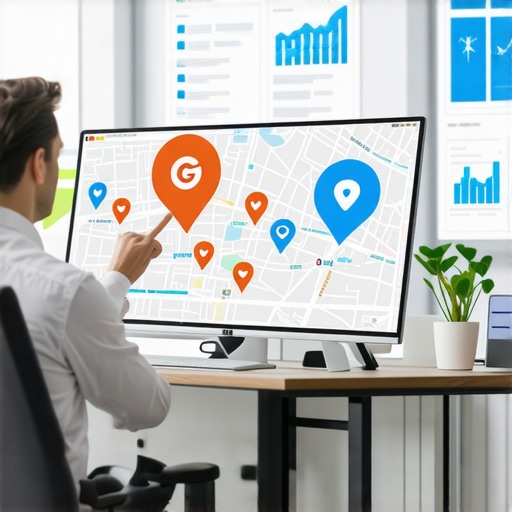
Imagine walking into a neighborhood bakery and seeing a vibrant Google listing that tells you everything you need—hours, reviews, photos—without even stepping inside. That’s the real estate of local search success, and it’s evolving faster than ever.
In 2024, local SEO isn’t just about keywords anymore; it’s about mastering the art of GMB (Google My Business) optimization. Businesses that leverage this platform effectively are reaping rewards in foot traffic, calls, and conversions. According to a recent report, over 70% of consumers visit a store within 5 miles of their location after a local search, making GMB optimization a critical component of local marketing strategies.[cite: 16]
But with the landscape shifting rapidly, what are the top strategies to ensure your GMB listing stands out? This article dives into the key tactics that will elevate your local search rankings in 2024, supported by expert insights and data-driven approaches.
Prioritize Your Profile for Immediate Impact
Your Google My Business profile is the cornerstone of local SEO. An optimized profile not only attracts more visibility but also builds trust with potential customers. To get started, claim and verify your listing if you haven’t already.
Ensure that all information is accurate, comprehensive, and up-to-date. This includes your business name, address, phone number, website, and hours of operation. Consistency across all online platforms helps Google recognize your authority and boosts your local rankings. Consider adding a compelling business description filled with relevant keywords, but keep it natural and engaging.
Adding high-quality photos and videos is another game-changer. Visual content captures attention and can significantly increase engagement. Google favors active listings with fresh media, so regularly update your visuals to reflect seasonal changes, new products, or events.
What’s the Role of Customer Engagement in GMB Success?
Engagement metrics like reviews, ratings, and Q&A interactions are vital signals for Google’s local algorithm. Positive reviews not only influence potential customers but also enhance your ranking. Encourage satisfied clients to leave reviews, and respond promptly and professionally to all feedback. This demonstrates active management and builds community trust.
Responding to questions and reviews also offers an opportunity to showcase your customer service quality and address concerns transparently. Remember, Google favors active, well-maintained listings that foster customer interaction.
As competition intensifies, integrating these tactics with broader local SEO efforts—like local backlinks and strategic keywords—can propel your business to the top of local results.
To understand the rise of Google My Business (GMB) as a cornerstone of local SEO, it’s essential to trace its origins and the broader market forces that shaped its trajectory. Originally launched in 2014, GMB was part of Google’s strategic move to dominate local search, creating a unified platform for businesses to connect directly with consumers. This move was a response to the increasing importance of local searches—queries like “coffee shops near me”—which were rapidly growing in volume. As a result, Google aimed to capture more transactional intent within its ecosystem, making GMB an indispensable tool for small and medium-sized enterprises (SMEs).
However, the landscape shifted significantly with the advent of mobile technology and the explosion of local search queries. According to a report by BrightLocal, over 78% of local mobile searches result in an offline purchase, emphasizing the critical role of GMB in driving real-world foot traffic. This data underscores how GMB evolved from a simple listing service into a vital component of local commerce, directly impacting sales and customer engagement.
Furthermore, legislative and technological developments have played a role in shaping this market. For instance, the introduction of the Local Search Quality Guidelines by Google in 2019 aimed to crack down on spam and misleading listings, elevating the importance of authentic, well-maintained GMB profiles. These regulations incentivized businesses to invest more in their local listings, fueling a competitive landscape where authenticity and customer engagement are paramount.
On the ground, the reality of GMB’s market influence is evident in how local SEO agencies now prioritize GMB optimization as a core service. These agencies leverage data-driven techniques to enhance visibility, manage reviews, and keep information current—factors that directly correlate with increased foot traffic and sales. The market has also seen a surge in third-party tools and integrations, facilitating real-time updates and analytics that empower businesses to stay ahead in local search rankings.
In essence, the evolution of Google My Business reflects broader shifts in consumer behavior, technological innovation, and regulatory standards. As local search becomes more sophisticated and competitive, GMB’s role as a bridge between digital presence and physical foot traffic continues to solidify, making it an indispensable asset for local businesses navigating 2024’s dynamic market landscape.
Is GMB the Silver Bullet or a Risky Bet?
While many marketers champion Google My Business as the ultimate local SEO tool, skeptics raise a compelling point: what if the focus on GMB is a strategic blind spot? Critics argue that putting too much weight on a platform controlled by a tech giant might backfire.
Proponents of GMB often say it’s indispensable for local visibility. But John Harris, a veteran local SEO consultant, cautions, “Businesses can become overly dependent on Google’s ecosystem. When algorithm changes happen or policies shift, they might find themselves exposed.”
Indeed, Google’s frequent tweaks to local search algorithms can dramatically impact rankings overnight. A small business that invested heavily in GMB optimization might suddenly see its visibility plummet without warning.
Moreover, some experts question the longevity of GMB’s dominance. Sarah Lee, a digital marketing analyst, points out, “Google’s priorities evolve. What’s hot today might be obsolete tomorrow. Relying solely on GMB risks missing out on emerging channels like voice search or hyper-local apps.”
There’s also the human element to consider. Small business owners often say they feel overwhelmed managing their profiles amidst the constant updates and review management. It’s a full-time job, and not everyone has the resources or expertise to keep up.
Another concern revolves around authenticity. As Google cracks down on spam and fake reviews, some argue that the platform’s tightening regulations might stifle genuine engagement or favor larger, more established businesses with deeper pockets.
This raises a critical question: Are we overestimating GMB’s power at the expense of diversifying our local marketing strategies? The answer might lie in a balanced approach. While GMB remains vital, it should be part of a broader, multi-channel strategy that includes local partnerships, community engagement, and alternative digital platforms.
So, is GMB a game-changer or a risky gamble? That depends on how businesses adapt to an ever-shifting digital landscape. This raises the question — what is your take on Google My Business’s role in local marketing? Is it the future, or just one piece of the puzzle?
GMB’s Long-Term Impact on Local Search
As we look toward 2025, the influence of Google My Business (GMB) on local search is poised to grow even more profound, driven by technological innovations and evolving consumer behaviors. The platform’s integration with emerging AI capabilities and personalized search experiences suggests that businesses will need to adapt rapidly to stay competitive.
One significant trend is the increasing use of artificial intelligence to enhance local search results. Google’s AI algorithms are expected to become more sophisticated in understanding context, intent, and even voice commands, making GMB profiles more critical than ever for capturing nuanced local queries. This shift underscores the importance of maintaining up-to-date, engaging, and optimized GMB listings that can be effectively interpreted by AI systems.
Will Hyper-Localization Dominate 2025?
According to a recent forecast by Statista, hyper-local search queries—those focused on very specific neighborhoods or even blocks—will account for over 50% of all mobile searches by 2025. This trend suggests that businesses must refine their local SEO strategies to target ultra-specific audiences, possibly through tailored content, geofencing, or augmented reality experiences integrated with GMB features.

Legislation and Cultural Shifts That Shape the Future
Legally, we can expect tighter regulations around data privacy and misinformation, which will directly impact how local listings are managed. Governments worldwide are increasingly scrutinizing online reviews and business authenticity, prompting Google to enforce stricter verification processes and anti-spam measures. For businesses, this means investing more in genuine engagement and transparency to comply with evolving standards.
Culturally, the emphasis on sustainability and social responsibility is transforming how brands communicate locally. Future GMB features might include dedicated sections for eco-friendly practices, community involvement, or social initiatives, aligning with consumer values. This cultural shift will require brands to showcase their authenticity and commitment to local communities more transparently.
Are We Ready for the Next Generation of Local Search?
Preparing for these changes means embracing innovation now. Businesses should start integrating AI-driven tools for content management, leveraging local data analytics, and exploring new formats like virtual tours or AR-enhanced listings. Staying ahead requires agility and a proactive approach to digital transformation.
In conclusion, the future of GMB and local search will be shaped by technological advancements, regulatory landscapes, and cultural trends. Those who adapt early will likely gain a competitive edge, creating more meaningful connections with their local audiences and securing their position in an increasingly personalized digital world. To stay at the forefront, businesses must continually innovate and refine their local marketing strategies.
What You Need to Know for Local Search Domination
- Optimize your GMB profile with accurate, consistent information and engaging visuals to attract more local customers.
- Encourage and respond to reviews actively to boost your reputation and search rankings.
- Stay ahead by integrating AI tools and exploring hyper-local tactics like geofencing and AR experiences.
- Beware of over-reliance on GMB; diversify your local marketing channels for resilience and growth.
Dig Deeper into Local Search Trends
- Effective Local Search Strategies — Learn how to elevate your GMB rankings with proven tactics.
- Top GMB Optimization Tips — Find expert advice tailored for 2024’s competitive landscape.
- Ultimate GMB Optimization Strategies — Gain insights into maximizing your local visibility with comprehensive approaches.
The Final Word
As the digital landscape evolves, Google My Business remains a cornerstone of local marketing—yet its true power lies in how businesses adapt and integrate it within a broader strategy. Walking into that neighborhood bakery in 2024, you’ll see a vibrant GMB profile not just as a listing, but as a digital handshake that invites, informs, and converts. Are you ready to make your local presence unmissable, or will you let your competitors seize the moment? The choice is yours—what’s your next move?